Scar Treatment: Laser vs Microneedling and Peels
Scar Treatment Starts With the Type of Scar
Scar treatment is not one-size-fits-all, even though people often search for laser scar removal as if every scar can be treated in the same way. In reality, depressed acne scars, raised scars, keloids, surgical scars and flat dark marks have different structures and risks. The first step is identifying what you are actually trying to treat.
No procedure can guarantee that a scar will disappear. The American Academy of Dermatology explains that laser treatment can make a scar less noticeable but cannot remove it completely. A useful treatment plan sets the same honest expectation.

What Laser Scar Treatment Can Do
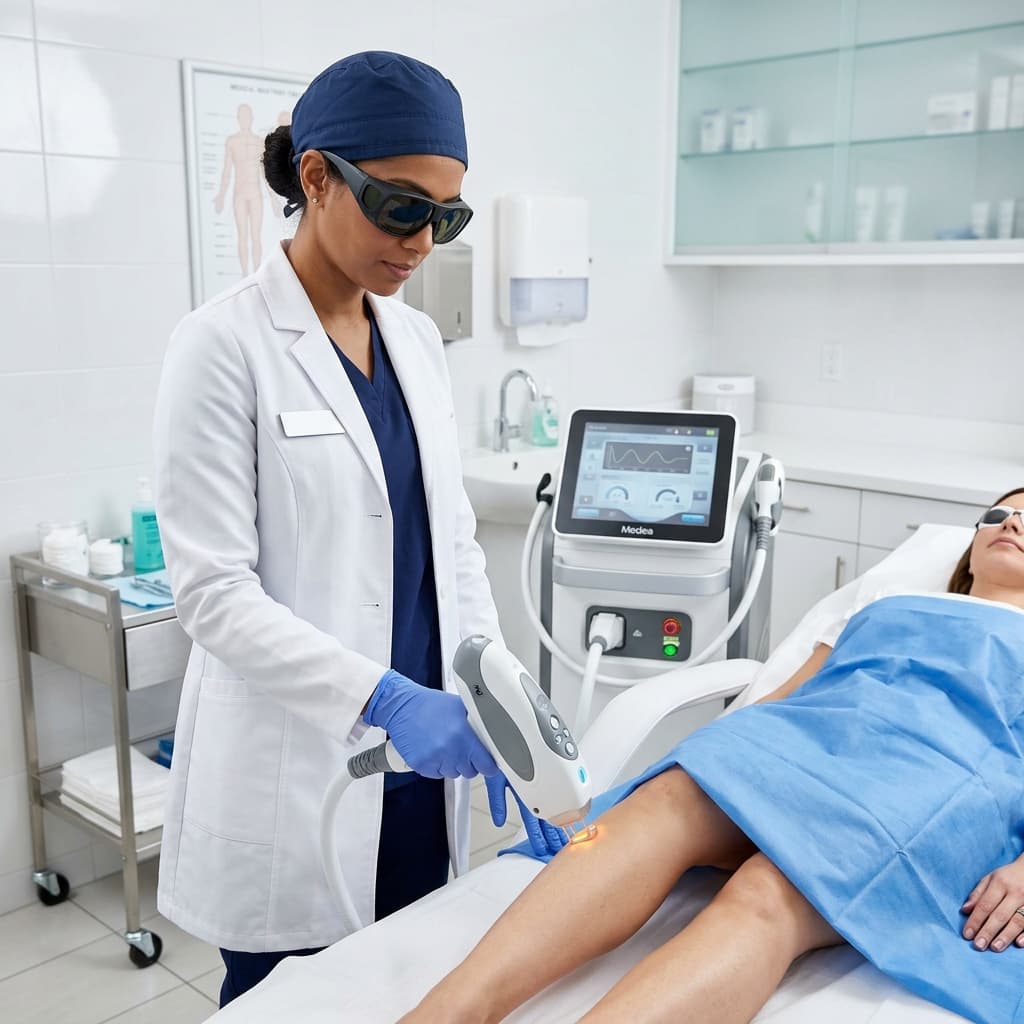
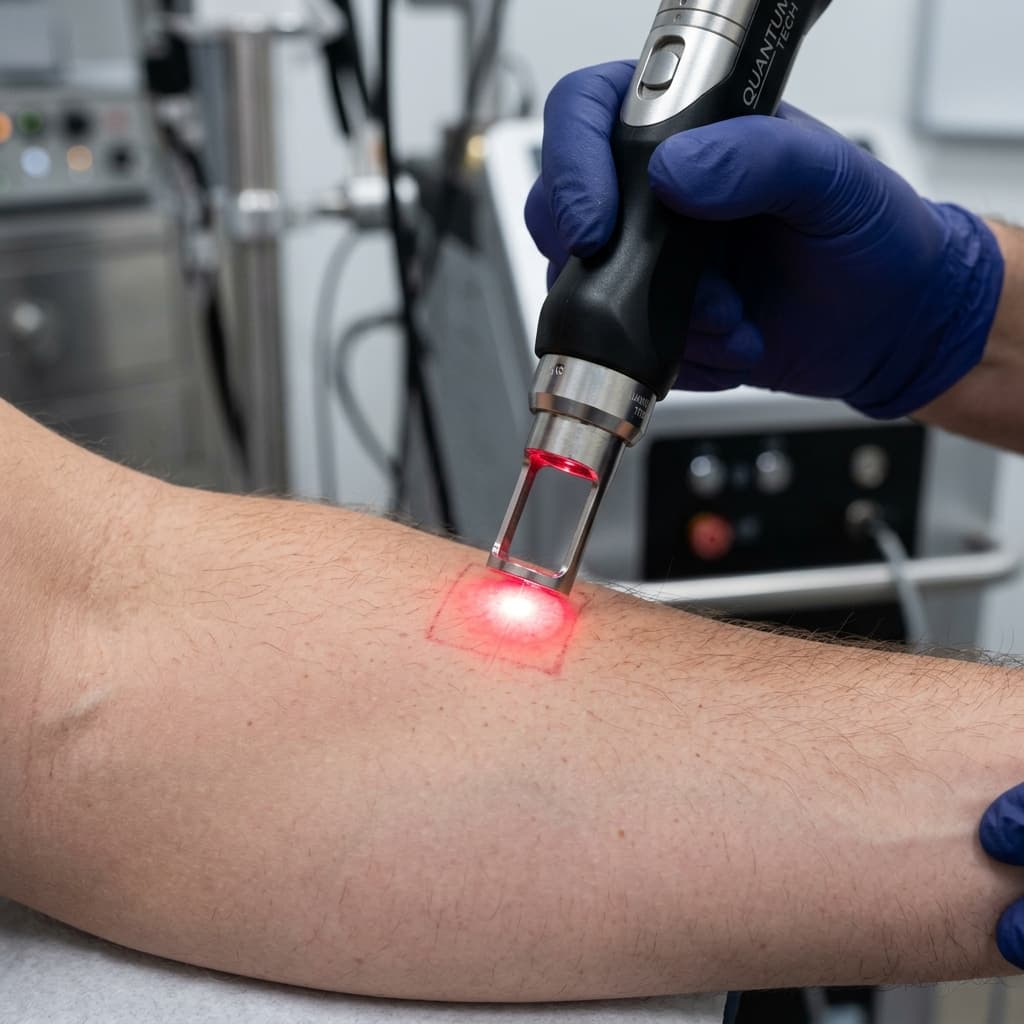
Medical lasers can work in different ways. Some target redness or blood vessels, while resurfacing lasers create controlled heat injury to encourage collagen remodelling. A dermatologist may use laser for certain depressed acne scars, raised scars, surgical scars or colour changes.
The choice of device, energy, skin tone and scar type affects both the result and risk. Possible complications include burns, infection, pigment changes and new scarring. Laser scar treatment should therefore be approached as a medical decision, not booked only from a generic price list.
When Microneedling May Be Considered
Microneedling creates controlled microchannels to stimulate collagen. It is often considered for depressed acne scars and uneven texture. The American Academy of Dermatology's acne scar treatment guide notes that microneedling can be used alone or combined with other professional treatments.
It is not right for every scar. Raised scars and keloids need different management, and active acne or infection should be controlled before needling. A history of poor healing, keloids, medication use or recent procedures must be discussed before treatment.
What Chemical Peels Can Address
Chemical peels exfoliate the skin at a controlled depth. They can improve uneven tone, post-acne marks and some superficial textural concerns. Mild or medium peels are often delivered as a course, with strength chosen for the skin and concern.
A peel will not lift every deep, tethered scar. Deeper procedures also carry more downtime and risk. Professional priming, sun protection and aftercare are particularly important for clients prone to post-inflammatory hyperpigmentation.
Scars vs Dark Marks After Acne
A flat brown, red or purple mark after a breakout is not always a true scar. Post-inflammatory pigment changes can fade with time and may respond to a different plan than indented or raised scar tissue.
Continuing breakouts also need attention. Treating scars while new acne is still forming can lead to more inflammation and new marks. A doctor or dermatologist should assess severe, painful or persistent acne and any prescription medication needs.
Which Option Fits Which Concern?
- Depressed acne scars: Microneedling, medical laser or a combination plan may be considered after the scar type is assessed.
- Flat pigmentation after acne: Professional peels and a targeted skincare plan may be more relevant than scar resurfacing.
- Raised scars or keloids: See a dermatologist. Needling or an unsuitable procedure can worsen the problem.
- Surgical or injury scars: Medical assessment is appropriate, especially if the scar is painful, itchy, growing or limiting movement.
Skin Tone and Pigmentation Risk
Darker skin tones can develop post-inflammatory hyperpigmentation after irritation or heat. This does not rule out professional treatment, but it makes provider experience, conservative settings, preparation and sun protection especially important.
Ask how the provider assesses skin tone, what type of scar they see, why the proposed procedure matches it and how pigment risk will be managed. A patch test may be helpful for some procedures, but it does not replace a complete history and consultation.
Questions to Ask Before Treatment
- Is this a scar, pigmentation or both?
- What scar type do I have?
- Which treatment is available here, and which options require a dermatologist?
- How many sessions are likely and how will progress be measured?
- What downtime, side effects and aftercare should I expect?
- What result would be unrealistic for my scar?
Scar Treatment Options in Bedfordview
Linksfield Laser Clinic does not offer laser scar removal. We offer professional microneedling, NeoStrata chemical peels and microdermabrasion for suitable concerns after consultation. Raised scars, keloids and scars needing medical laser or surgical treatment should be assessed by a dermatologist.
Book a skin consultation or read our guide to microneedling for acne scars in Johannesburg.
Scar Treatment FAQ
Can laser remove a scar completely?
No. It may make a suitable scar less noticeable, but complete removal cannot be guaranteed.
Is microneedling suitable for keloids?
No routine assumption should be made. Raised scars and keloids require medical assessment because inappropriate treatment can worsen them.
Can a chemical peel treat deep acne scars?
A peel may help superficial texture and pigment, but deep scars often need a different or combined plan.
Does Linksfield Laser Clinic offer laser scar removal?
No. The clinic offers microneedling, chemical peels and microdermabrasion for suitable concerns and refers medical laser needs to an appropriate practitioner.