Adult Acne: How Chemical Peels Tackle Hormonal Breakouts
The Rise of Adult Acne in the Highveld
It is a common myth that acne is a 'teenage' problem. In our Johannesburg clinic, we are seeing a significant rise in adult acne, particularly among professionals in their 30s and 40s. The combination of high-stress corporate environments, urban pollution, and hormonal shifts creates a perfect storm for persistent breakouts. If you are tired of drugstore spot treatments that only dry out your skin without fixing the root cause, it's time to understand the clinical power of chemical peels. This 1500-word guide breaks down the science of adult acne and why a peel is often the most effective solution.
The Biology of the Breakout: Not All Acne is Equal
To treat adult acne, we must understand the physiology of the sebaceous gland. In teenagers, acne is often driven by an explosion of androgens during puberty. In adults, the triggers are more complex:
- Hormonal Fluctuations: Changes in estrogen, progesterone, and testosterone levels can cause the skin to produce 'sticky' sebum that clogs pores more easily.
- Chronic Stress: High cortisol levels stimulate the oil glands, leading to the dreaded 'stress breakout' along the jawline and chin.
- Urban Grime: Johannesburg's air contains particulate matter that can settle into the pores, causing oxidative stress and inflammation.
Why Chemical Peels are the Gold Standard for Acne
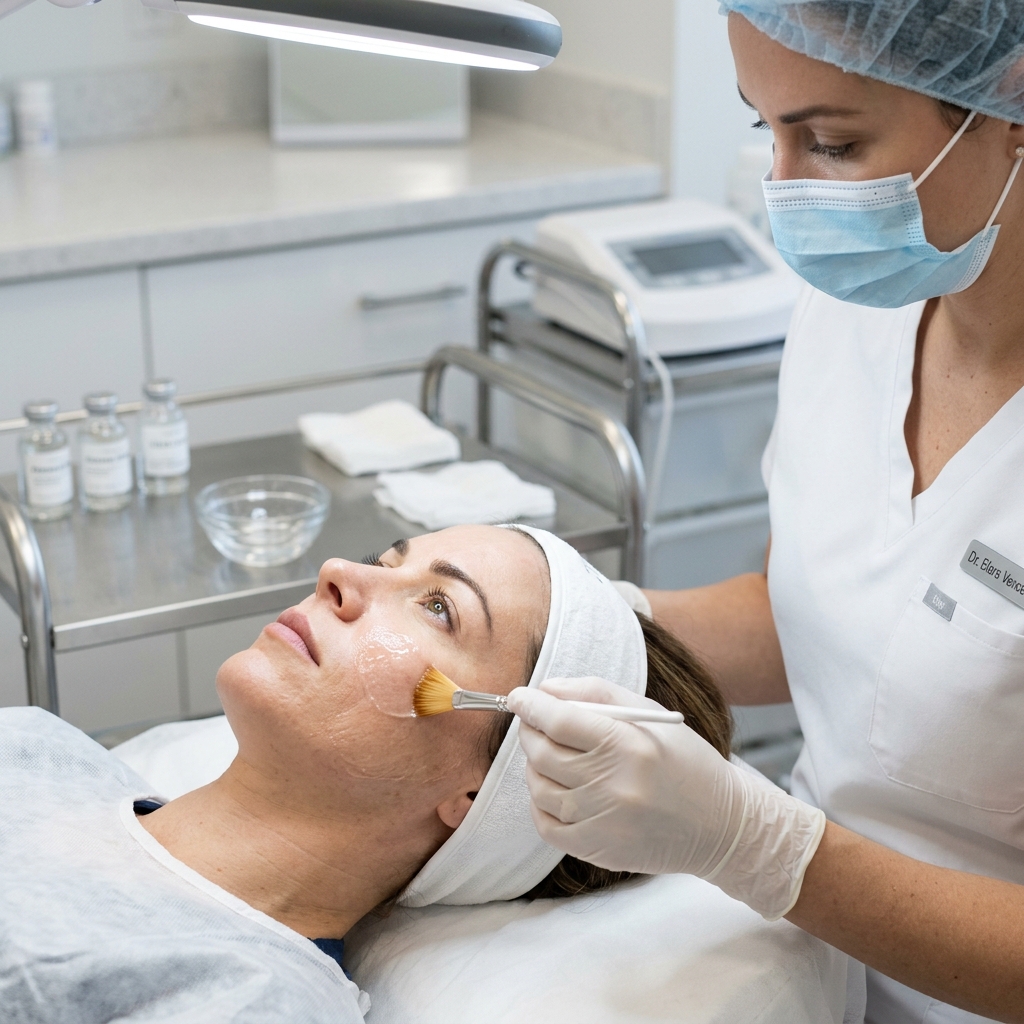
Traditional acne creams often sit on the surface of the skin. A chemical peel, however, provides a deep, uniform exfoliation that physical scrubs simply cannot match. By lowering the pH of the skin, we dissolve the 'glue' that holds dead skin cells together, allowing the pores to breathe and specialized ingredients to penetrate deeper.
The Role of Salicylic Acid (The Oil-Fighter)
Salicylic acid is a Beta Hydroxy Acid (BHA). Unlike Alpha Hydroxy Acids (AHAs) which are water-soluble, Salicylic acid is oil-soluble. This means it can actually travel into the pore, dissolve the excess sebum, and kill the bacteria (C. acnes) that causes inflammation. It is the powerhouse of our acne-focused Neostrata peels.
The Role of Glycolic Acid (The Texture-Refiner)
While Salicylic acid fights the fire, Glycolic acid clears the debris. It promotes rapid cell turnover, ensuring that old, acne-scarred skin is replaced by fresh, healthy tissue. The combination of these two acids in a clinical setting is what provides the 'Linksfield Glow' while concurrently clearing breakouts.
The Myth of 'The Purge': What to Expect After Your Peel
One of the biggest anxieties for acne patients is the fear that a treatment will make them break out more. This is known as 'The Purge'.
When we accelerate cell turnover with a chemical peel, we are essentially 'fast-forwarding' the life cycle of a blemish. Any congestion that was already lurking beneath the surface may come to a head faster than usual. While this can be frustrating for 3 to 5 days, it is a sign that the treatment is working. Once the 'purge' phase is over, the skin enters a period of clarity that is much easier to maintain.
Scenario: Navigating a Breakout During a Sandton Work Week
Consider a patient, Michael, a legal professional in Sandton. He has a major trial coming up and wakes up with painful, cystic acne along his jawline. A traditional facial might involve painful extractions that leave him red for days. Instead, we perform a high-performance clarifying peel. The Salicylic acid immediately starts reducing the inflammation, and the localized redness is minimal. Within 48 hours, the cysts have flattened, and he can focus on his work with confidence.
Clinical Peels vs. Accutane: A Balanced View
Many patients come to us wanting to avoid the harsh side effects of systemic medications like Accutane (Roaccutane). While severe, cystic acne sometimes requires medical intervention, many cases of moderate adult acne can be successfully managed through a series of chemical peels and medical-grade home care. Peels offer a targeted, topical solution without the risk of liver stress, extreme dryness, or mood changes associated with oral medications.
"I struggled with adult acne for years. I thought I was just 'an oily person.' After four sessions at Linksfield, my skin texture is completely different. The deep, painful breakouts have stopped, and my confidence is back." - Linksfield Patient Review, 2026
Supporting Your Peel: Home-Care Essentials
A peel is the 'intensive' part of the treatment, but your home-care is the 'maintenance' part. In Johannesburg's dry air, we recommend acne patients focus on:
- Non-Comedogenic Hydration: Dehydrated skin actually produces more oil to compensate. You must use a high-quality, oil-free Hyaluronic Acid.
- Pillowcase Hygiene: For acne patients, your pillowcase is a breeding ground for bacteria. Switch to silk and wash it every 2-3 days.
- Phone Sanitization: Think about how often you press your phone against your face. Clean it daily with a medical-grade wiped.
Managing Post-Acne Scarring (PIH)
Once the active acne is cleared, we often move to treating the dark marks left behind. This is where our knowledge of post-inflammatory hyperpigmentation comes in. By transitioning from Salicylic focus to Mandellic and Lactic focus, we can safely brighten the skin and reduce the visible evidence of the breakout.
Conclusion: Stop Hiding, Start Treating
Adult acne is more than a skin issue; it's a confidence issue. You don't have to 'wait it out' or rely on ineffective drugstore products. Medical-grade chemical peels offer a safe, fast-acting, and scientifically proven way to reclaim your complexion. At Linksfield Laser Clinic, we don't just treat the breakout; we treat the person. Our goal is to help you achieve long-term, sustainable skin health.
Ready to clear your skin for good? Book your Acne Consultation today and let's build your plan.
Adult Acne FAQ
Do I have to stop my current acne meds before a peel?
Yes, specifically if you are on Retinoids or Roaccutane. We usually require a 2-4 week break from strong topicals and a 6-month break from oral Roaccutane before performing a clinical peel.
Will a peel make my skin oily?
No. It actually helps regulate sebum production by clearing the 'plugs' from your pores, allowing oil to flow naturally rather than getting trapped and causing inflammation.
How many peels do I need for acne?
We recommend a series of 4 to 6 peels, spaced 3 weeks apart. Acne is an ongoing condition, and consistency is key to breaking the inflammatory cycle.
Can I have a peel if I have an active pimple?
Yes! The Salicylic acid in the peel is actually one of the best ways to treat an active, inflamed spot by killing the bacteria inside.
Are chemical peels safe for pregnant women with hormonal acne?
Most clinical peels (especially Salicylic) are not recommended during pregnancy. However, we have specialized, pregnancy-safe alternatives like mild Lactic acid peels that can help manage hormonal congestion.