Laser Hair Removal vs Electrolysis: Which Is Right?
Two Professional Methods With Different Strengths
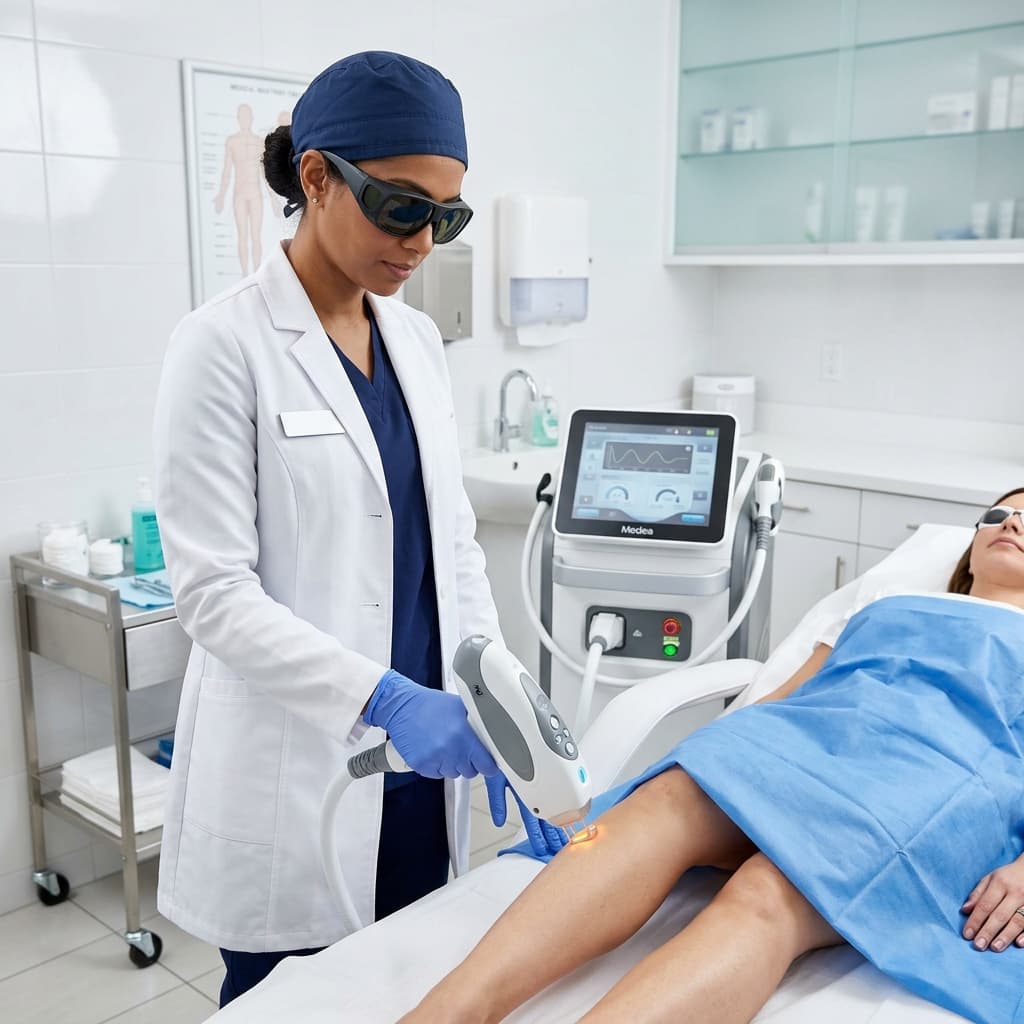
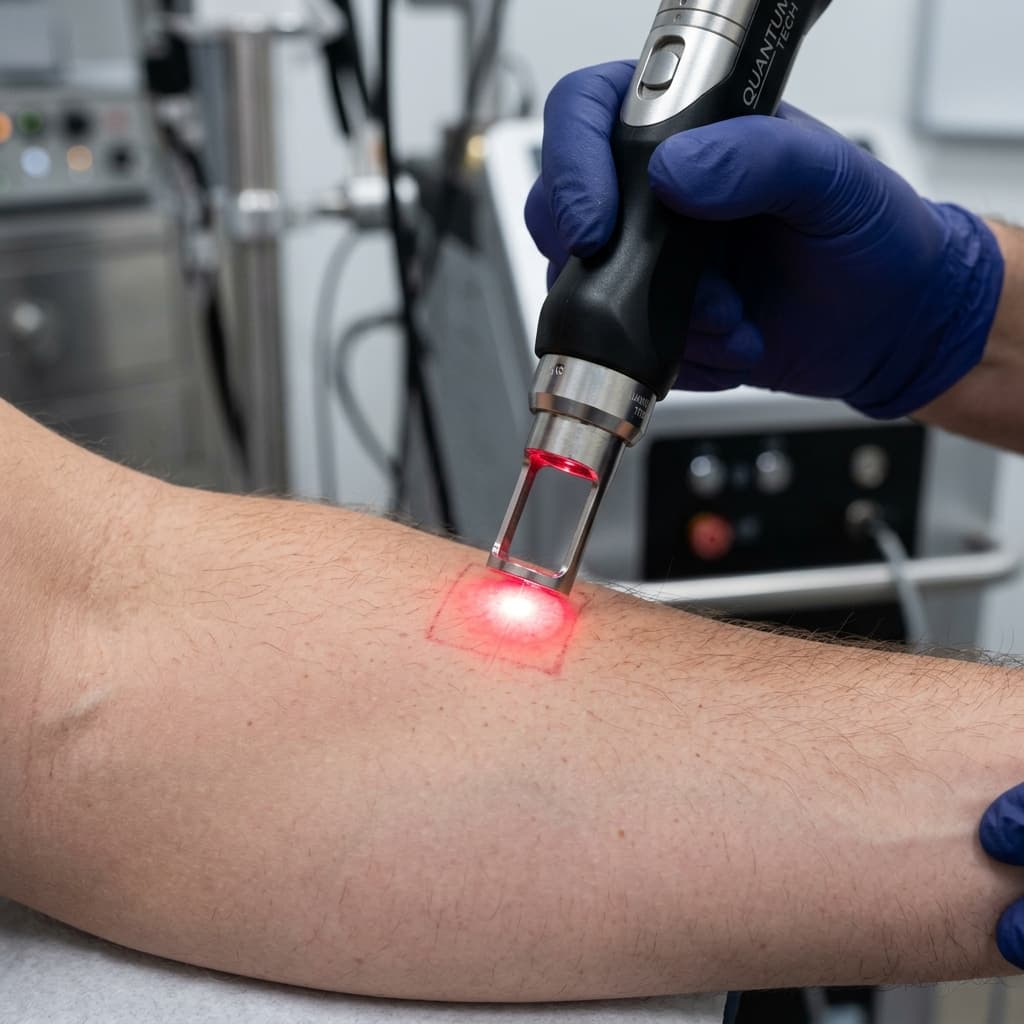
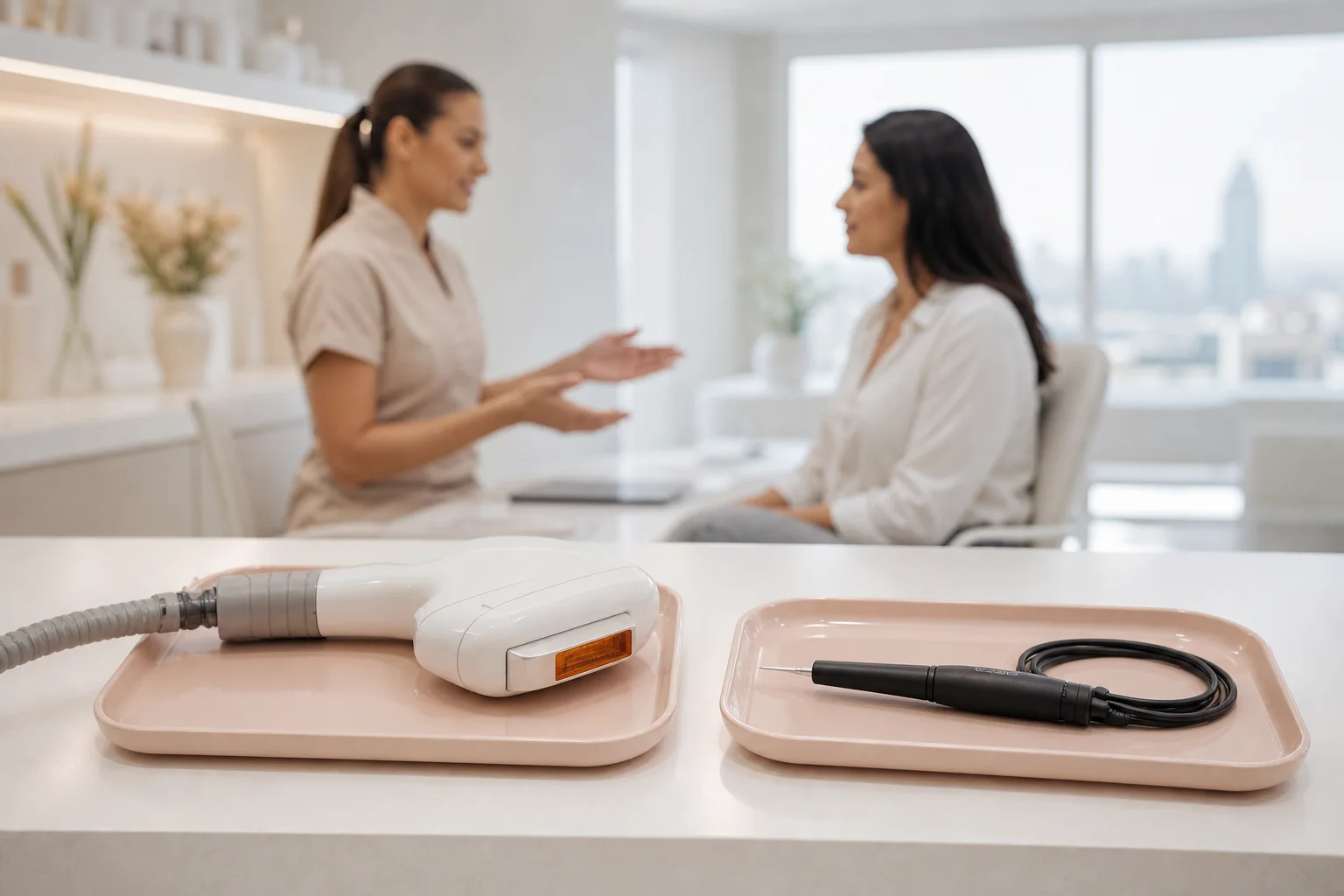
Laser hair removal vs electrolysis is a comparison between two methods that target hair below the skin but work in different ways. Laser treats multiple suitable follicles with light, while electrolysis treats individual follicles with a fine probe and electrical current. The best option depends on your hair colour, hair thickness, skin, treatment area and patience for repeated appointments.
Linksfield Laser Clinic offers professional diode laser hair removal. We do not offer electrolysis. This comparison is designed to help you understand when laser may suit your goals and when an electrologist or dermatologist may be the better referral.
How Laser Hair Removal Works
A laser emits light that is absorbed by pigment in suitable hair. The energy becomes heat and damages the follicle, reducing future growth. Because one pulse can cover more than one follicle, laser is practical for larger areas such as legs, underarms, bikini, chest and back.
Dark, coarse hair usually responds best because it provides a strong pigment target. Very light blonde, red, grey and white hair may respond poorly. A consultation and test patch help establish whether the hair and skin are suitable for the device and settings.
How Electrolysis Works
During electrolysis, a trained practitioner inserts a very fine probe into an individual hair follicle and applies an electrical current. Each follicle is treated separately, so small areas or scattered hairs may be practical while large areas can require many lengthy appointments.
The American Academy of Dermatology notes that electrolysis can work on all hair types, including light-coloured hairs that lasers cannot remove. Correct training and sterile equipment matter because poor technique can cause burns, infection or scarring.
Hair Colour Is a Key Difference
If the hair is dark and coarse, professional laser may treat the area efficiently. If the hair is white, grey, red or very light blonde, electrolysis may be the more suitable option because it does not rely on pigment in the same way.
Mixed growth sometimes needs a mixed plan. Laser may reduce the dark, coarse hairs across a broader area, while a qualified electrologist later treats a small number of pale hairs. This should be planned carefully rather than overlapping treatments without professional advice.
Speed and Treatment Area
Laser usually has an advantage on larger body areas because the handpiece can cover multiple follicles in a session. Electrolysis is precise but slower because each follicle is treated one at a time. For a few isolated facial hairs, that precision may be useful. For full legs or a back, laser is generally the more time-efficient starting point when the hair is suitable.
Both methods require repeated appointments because hair grows in cycles. The total time depends on the area, density, hormonal influences, consistency and individual response.
Results and Maintenance
Laser hair removal is best described as long-term hair reduction. Suitable hair may become finer, lighter and less dense, but maintenance can be needed, especially where hormones influence growth. The American Academy of Dermatology's laser overview explains that multiple sessions are needed and regrowth can be retreated.
Electrolysis can permanently remove a successfully treated follicle, but each follicle must be reached at the right stage and multiple sessions are still required. New hormonal hair growth can appear in follicles that were not previously active.
Comfort, Skin Response and Safety
Both methods can feel uncomfortable. Laser is often described as a brief hot snap, while electrolysis can feel like a repeated sting. Cooling, settings, treatment area and personal sensitivity change the experience.
Choose a provider who will discuss skin tone, hair type, medication, previous reactions and realistic results. For electrolysis, ask about qualifications and sterile single-use or properly sterilised probes. For laser, ask for the exact technology, patch-testing process and experience with your skin tone.
Which Option Should You Choose?
- Choose a laser consultation for larger areas with dark, coarse hair and a goal of long-term reduction.
- Consider electrolysis for pale hairs that do not provide a reliable laser target.
- Seek medical advice if hair growth appears suddenly or is associated with other hormonal symptoms.
- Do not choose only by price. Training, equipment, hygiene and an honest assessment are more important.
Start With a Laser Assessment in Bedfordview
If your hair appears suitable for laser, Linksfield Laser Clinic offers a free consultation and test patch using its LightSheer diode system. We serve Bedfordview, Linksfield, Edenvale and nearby Johannesburg areas.
Book a consultation, see our Johannesburg laser hair removal service, or compare diode laser and IPL.
Laser Hair Removal vs Electrolysis FAQ
Does laser work on grey or white hair?
Usually not well because those hairs contain too little pigment for the laser to target. Electrolysis may be more suitable.
Which is faster for large areas?
Laser is generally faster because it can treat multiple suitable follicles at once.
Does Linksfield Laser Clinic offer electrolysis?
No. The clinic offers diode laser hair removal and will assess whether your hair is a suitable laser target.
Can I combine the two methods?
Some people use laser for dark hairs and electrolysis for remaining pale hairs. Plan the timing with qualified providers.