Microdermabrasion for Blackheads and Congested Skin: What It Can and Cannot Do
Microdermabrasion for Blackheads: Does It Work?
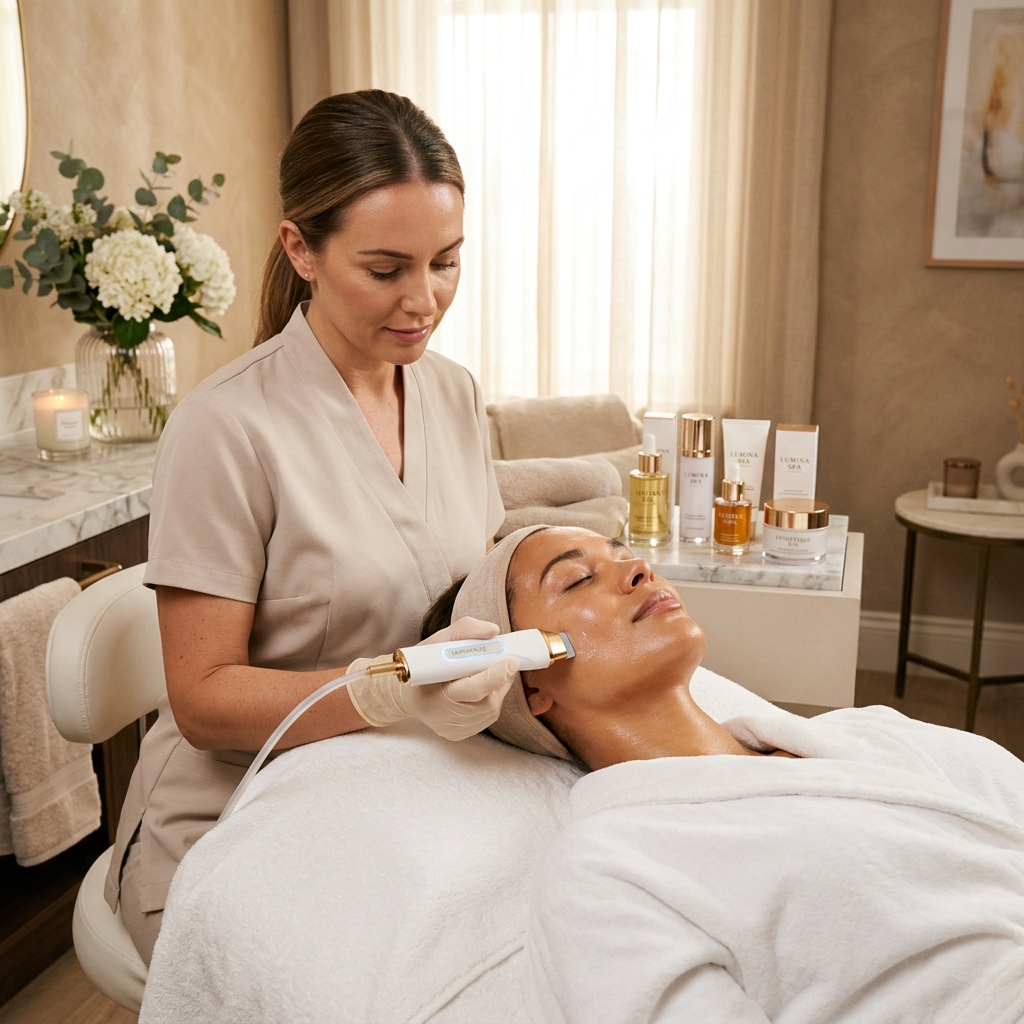
Microdermabrasion for blackheads can exfoliate surface dead skin and make congested skin feel smoother, which may help some blackheads look less noticeable. It does not permanently stop pores from filling, remove every deep comedone or treat the hormonal and inflammatory causes of acne.
The American Academy of Dermatology describes microdermabrasion as a gentle, non-invasive treatment that removes the top skin layer.
What Is a Blackhead?
A blackhead is an open comedone: oil and dead skin collect in a pore and the exposed material darkens through oxidation. It is not dirt. Scrubbing harder does not clean it away and can inflame the surrounding skin.
Where Microdermabrasion Fits
By lifting superficial build-up, microdermabrasion may support a broader congestion plan and improve temporary smoothness. It can be useful when the barrier is healthy and the concern is mainly surface roughness and mild congestion.
A deep-cleansing facial, selected chemical peel or consistent home treatment may be more suitable in other cases. The choice depends on whether the dominant issue is oil, comedones, inflamed acne, sensitivity or scarring.
What It Cannot Do
- It cannot permanently close pores.
- It cannot cure acne or stop hormones from influencing oil production.
- It does not remove deep acne scars.
- It should not be used to sand down an unexplained bump or changing mole.
- It is not a substitute for prescription acne treatment when that is needed.
When to See a Dermatologist
Seek medical advice for painful nodules, cysts, widespread inflammation, scarring, sudden severe acne or a condition that is not improving. The AAD acne treatment guide explains that professional procedures can support a medical plan but are not the only treatment.
Who Needs Extra Caution?
Tell the therapist about isotretinoin, retinoids, recent peels, waxing, eczema, rosacea, keloids and pigment changes. The AAD advises people who have recently taken isotretinoin or scar easily to seek medical advice before microdermabrasion.
Aftercare for Congested Skin
Use gentle products and sunscreen as directed. Do not squeeze newly visible blackheads or add a harsh scrub because the surface feels dry. A simple routine is easier to assess than several new acids, masks and extraction tools started at once.
Why Blackheads Can Return
Pores continue producing oil and shedding cells after a professional treatment. That is normal biology, not proof that microdermabrasion “failed.” The useful goal is manageable congestion and healthier skin, not a promise that every pore will stay empty.
Ask the therapist how home cleansing, moisturising and selected active ingredients fit around treatment. Introduce one change at a time so irritation can be traced. If blackheads rapidly return alongside inflamed acne, review the diagnosis and consider a dermatologist instead of scheduling increasingly frequent exfoliation.
Consistent care is more useful than chasing a perfectly poreless close-up.
Microdermabrasion vs Chemical Peel
Microdermabrasion is mechanical surface exfoliation. A chemical peel uses a selected acid and may be chosen for some types of acne or pigmentation. Neither is universally better. Read our chemical peel vs microdermabrasion comparison and the guide to microneedling for acne scars.
Blackheads and Microdermabrasion FAQ
Will all blackheads come out in one session?
No. Surface exfoliation may help, but results depend on congestion and the broader routine.
Can I squeeze blackheads after treatment?
Avoid picking and follow the therapist's aftercare to reduce irritation and infection risk.
Is microdermabrasion good for active acne?
Inflamed acne may need another approach or medical treatment. Have it assessed first.
Does it shrink pores permanently?
No. It may improve surface appearance but cannot close normal pores.
Book a skin consultation in Bedfordview to choose a treatment for congestion rather than guessing from a trend.