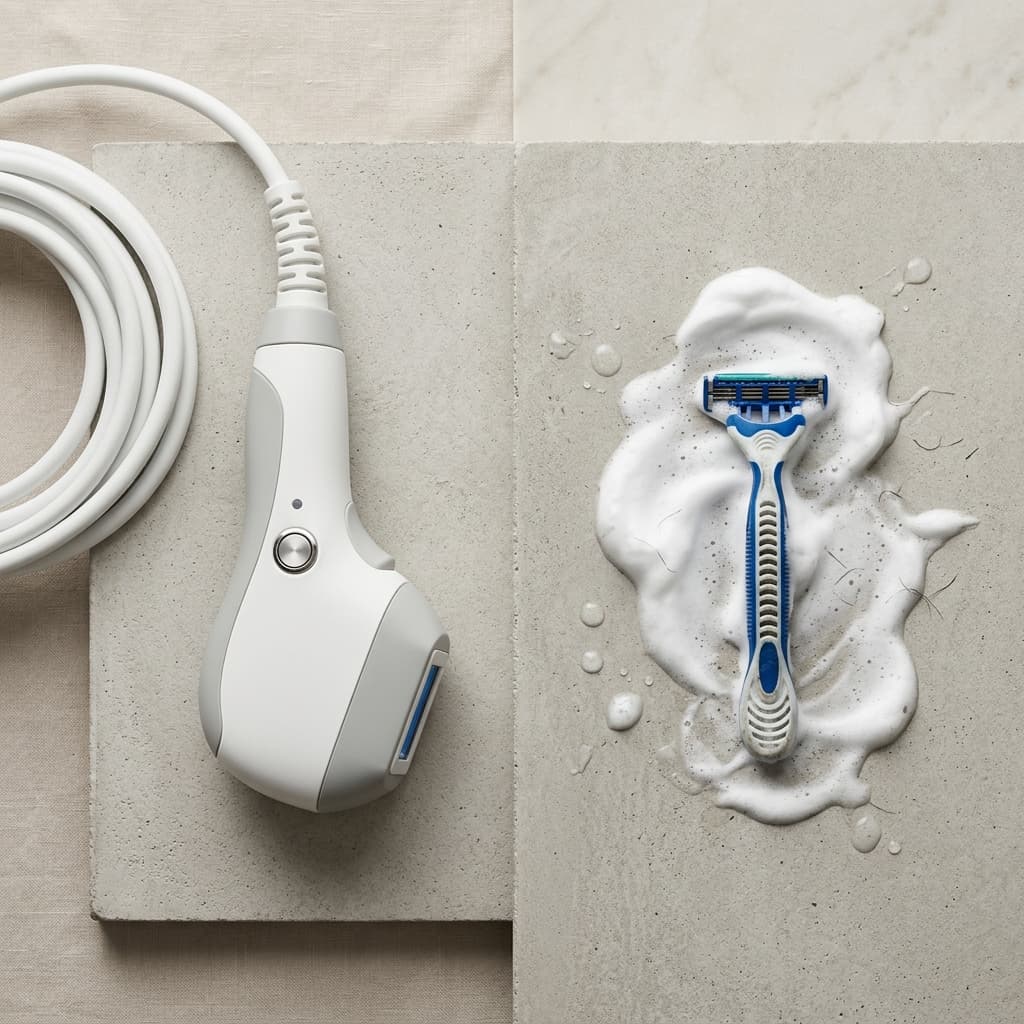
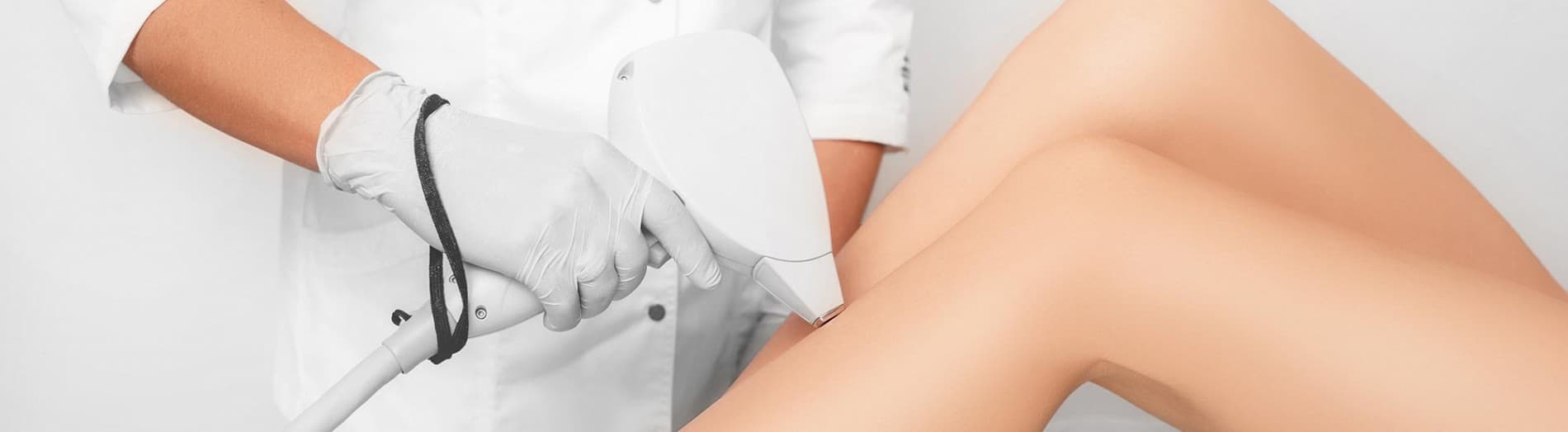
Ingrown Hair Treatment Options: Laser Hair Removal vs Waxing and Shaving
Why Ingrown Hairs Keep Coming Back
Ingrown hairs happen when a hair grows back into the skin instead of growing cleanly out of the follicle. They can look like small bumps, feel tender or become inflamed, especially in areas that are shaved or waxed often.
For many people, the problem is not one bad shave. It is the repeated cycle of hair removal, regrowth, friction and irritation. That is why people searching for ingrown hair treatment options often want something more practical than another scrub or temporary product.

Shaving: Quick, But Often Irritating
Shaving is convenient and inexpensive, but it can contribute to ingrown hairs for some skin types. A razor cuts the hair at the surface. As the hair grows back, a sharp edge can curl into the skin, especially where hair is coarse or curly.
Shaving can also cause friction, razor burn and small cuts. If you shave the same area every few days, the skin may never get a proper break. This is common around underarms, bikini line, legs, face and neck.
Waxing: Longer Lasting, But Not Always Gentler
Waxing removes hair from the root, so results usually last longer than shaving. But waxing can still trigger ingrown hairs, particularly if the hair breaks, the skin is sensitive or aftercare is not followed carefully.
Because waxing pulls at the skin, it can also cause temporary redness and irritation. For some clients, waxing works well. For others, the cycle of waxing and regrowth keeps leading back to bumps and discomfort.
Laser Hair Removal: A Longer-Term Reduction Approach
Laser hair removal works differently. Instead of repeatedly cutting or pulling the hair, laser targets the hair follicle with focused light energy. Over a course of sessions, this can reduce hair growth in the treated area.
When there is less hair growing back, there is often less shaving, less waxing and less repeated irritation. That is why laser hair removal may help clients who struggle with recurring ingrown hairs and razor bumps.
It is important to be realistic: laser hair removal is not an instant cure for every bump, and inflamed or infected skin may need medical attention. But for suitable candidates, it can be a strong long-term option because it addresses the hair growth cycle itself.
Which Areas Are Common for Ingrown Hairs?
Ingrown hairs can happen anywhere hair is removed, but they are especially common in areas with thicker hair, friction or frequent grooming. Popular treatment areas include:
- Underarms: Often affected by shaving, deodorant and friction.
- Bikini line: A common area for ingrown hairs after shaving or waxing.
- Legs: Especially where skin is dry or shaving is frequent.
- Face and neck: Common for clients with coarse facial hair or shaving bumps.
- Chest and back: Areas where hair, sweat and clothing friction can combine.
When Should You Consider Laser?
Laser hair removal may be worth considering if you keep getting ingrown hairs despite careful shaving, exfoliation and moisturising. It may also make sense if waxing leaves your skin inflamed or if you are tired of planning your routine around regrowth.
The best first step is a consultation. Your therapist can check whether the area is suitable for laser, discuss your skin type and explain what preparation is needed before treatment.
What to Do Before Your First Appointment
Before laser hair removal, you will usually be asked to avoid waxing or plucking for several weeks because the follicle needs to remain present for the laser to target it. Shaving is normally preferred before treatment, but your therapist will give specific instructions.
You should also avoid tanning and tell your therapist about any active irritation, skin condition, medication or recent treatment in the area. If bumps are painful, spreading or infected, get medical advice before booking cosmetic treatment.
Laser vs Waxing vs Shaving: The Practical Difference
Shaving is fast but short-term. Waxing lasts longer but still relies on repeated removal. Laser hair removal takes more planning at the start, but it aims to reduce the amount of hair that grows back over time.
For clients who are constantly dealing with ingrown hairs, that difference matters. Fewer active hairs can mean fewer opportunities for hair to curl back into the skin and less need for frequent grooming.
Book an Ingrown Hair Consultation in Johannesburg
If ingrown hairs are making shaving or waxing frustrating, speak to the Linksfield Laser Clinic team about whether laser hair removal is suitable for your skin and hair type. A consultation gives you a clear plan before you commit to treatment.
Contact Linksfield Laser Clinic to book a consultation, or learn more about laser hair removal options.
Ingrown Hair FAQ
Can laser hair removal stop ingrown hairs completely?
It can help many clients by reducing hair growth, but results vary and it should be assessed case by case.
Is waxing better than shaving for ingrown hairs?
Waxing helps some people, but others still get ingrown hairs as the hair regrows. It depends on the area, hair type and skin response.
Can I have laser if I currently have irritated bumps?
Your therapist should assess the skin first. Active infection or severe irritation may need medical care before treatment.
Which laser areas are most popular for ingrown hairs?
Underarms, bikini line, legs, face, neck, chest and back are common areas where clients ask about recurring ingrown hairs.
Explore the treatment
Laser hair removal in Johannesburg