Arm Laser Hair Removal in Johannesburg: Forearms, Full Arms and What to Expect
Why Clients Choose Arm Laser Hair Removal
Arm hair is visible for much of the year, especially in Johannesburg's warmer months. Arm laser hair removal can be useful for clients who shave, wax or feel self-conscious about darker hair on the forearms or full arms.
The treatment goal does not have to be complete removal. Some clients want finer, lighter-looking regrowth and easier maintenance. Your therapist can help decide whether forearms, upper arms or full arms make sense for your goals.
Forearms vs Full Arms
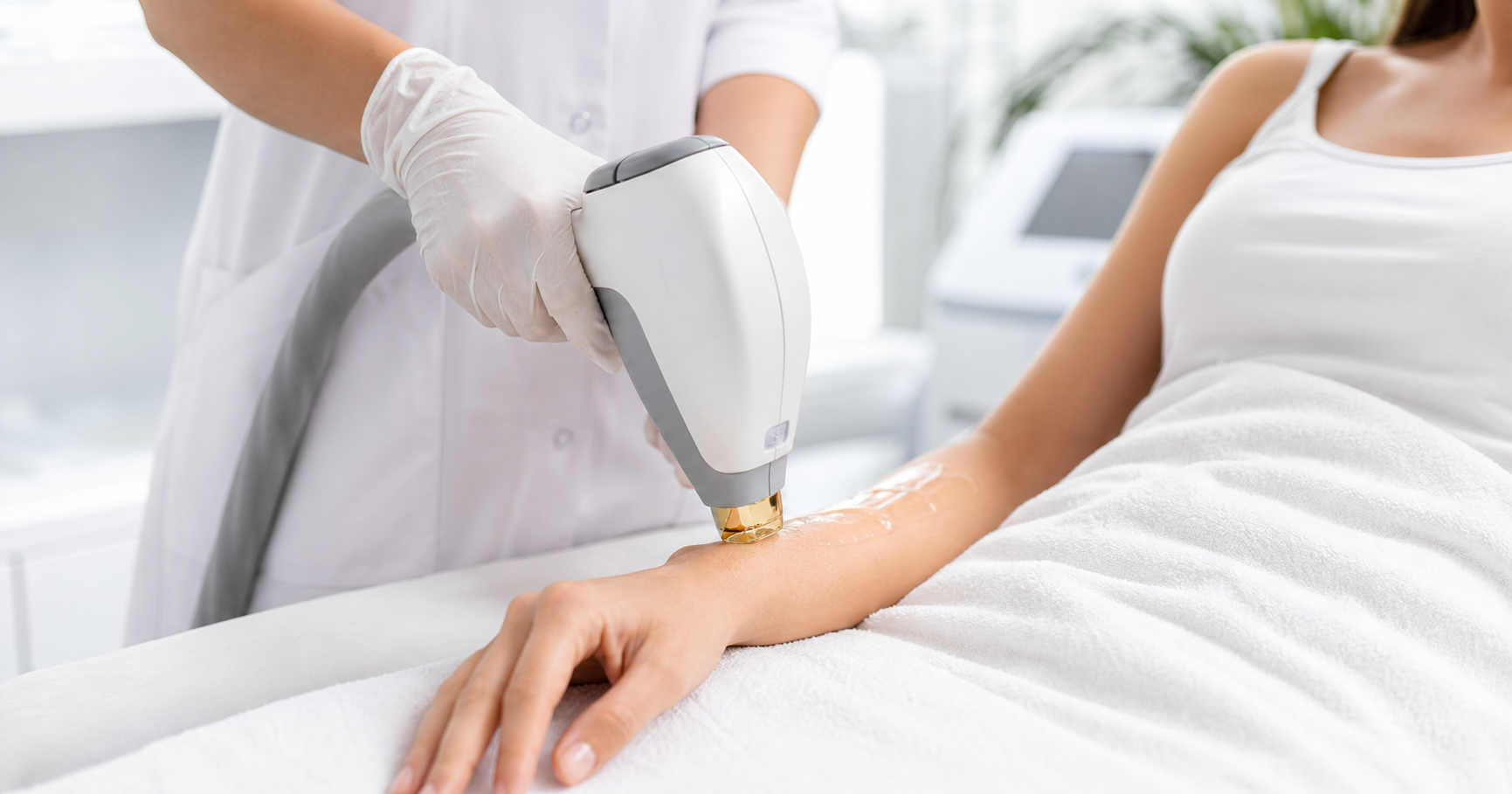
Forearms are often the main concern because they are more visible day to day. Full arms may be a better option when hair growth is even from wrist to upper arm or when clients want a more consistent finish.
Area definition matters when comparing prices or booking treatment. Ask exactly what is included so you understand whether hands, fingers, elbows or upper arms are part of the appointment.
What Affects Results?
Laser works best when there is enough pigment in the hair for the laser to target. Darker, coarser arm hair usually responds more predictably than very fine or pale hair.
Skin tone, sun exposure, hair density and consistency also matter. Because arms are often exposed, SPF and sun avoidance are especially important before and after treatment.
Preparing for Arm Laser
Follow your therapist's instructions about shaving before treatment. Avoid waxing, plucking or threading because those methods remove the follicle target.
Tell the clinic about recent tanning, self-tan, rashes, medication or active skincare products used on the arms. If skin is sunburned or irritated, treatment may need to be delayed.
Book Arm Laser Hair Removal
Linksfield Laser Clinic offers laser hair removal consultations in Bedfordview for clients from Linksfield, Edenvale and surrounding Johannesburg suburbs. Contact the clinic to discuss forearm or full arm laser hair removal.
Arm Laser FAQ
Can laser treat forearms only?
Yes, treatment areas can usually be planned around the area of concern.
Will arm hair grow back thicker after shaving before laser?
No. Shaving cuts hair at the surface and does not change the follicle.
Do arms need SPF after laser?
Yes. Arms are exposed often, so sun protection is important after treatment.
Why This Topic Needs a Proper Treatment Plan
arm laser hair removal in Johannesburg is not a quick one-size-fits-all beauty appointment. It works best when the therapist understands the treatment area, the client goal, the hair type, skin tone, sun exposure and the reason the client wants long-term hair reduction in the first place. Some clients want a smoother finish. Others want less density, fewer ingrown hairs, less shaving irritation or a more manageable grooming routine. Those goals affect how the consultation should be handled.
For arms, the most useful starting point is a realistic plan. Laser hair removal works over a course because hair grows in cycles. A single appointment can start the process, but it cannot treat every follicle at the ideal stage. This is why clients should think in terms of a treatment course, proper preparation and consistent aftercare rather than expecting a once-off fix.
Consultation Comes Before the Course
A good consultation should cover skin tone, hair colour, hair thickness, medication, recent sun exposure, previous reactions and the exact treatment area. It should also explain what kind of result is realistic. Darker, coarser hair usually responds better because the laser has more pigment to target. Very fine, pale, grey or red hair may respond less predictably. Hormonal areas may need more maintenance over time.
This is also where the client can ask practical questions: how many sessions may be needed, how far apart appointments should be, whether shaving is required, what to avoid before treatment, and what aftercare matters most. The better the consultation, the fewer surprises later in the course.
Preparation That Protects the Result
Preparation usually means avoiding waxing, plucking and threading because those methods remove the follicle target. Shaving is normally preferred because it removes surface hair while leaving the follicle in place. Clients should also avoid tanning, sunburn, harsh exfoliation and irritating products before treatment. If the skin is scratched, inflamed or recently burned, the appointment may need to be moved.
Preparation is especially important in Johannesburg because sun exposure can change treatment safety. Even in cooler months, UV exposure can be strong. If the treatment area has been exposed to sun or self-tan, the therapist should know before starting. Safe timing is better than rushing into a session that may irritate the skin.
What Happens During the Course
Most clients need multiple sessions. A common expectation is around 6 to 8 appointments, but the number can vary by area, hair density, skin type, hormones and consistency. Some areas respond quickly. Others need more patience. The important thing is to stay on the recommended schedule so each session can target a new group of active hairs.
Between sessions, hair may shed, grow unevenly or feel softer. Patchiness can be normal because follicles respond at different times. Clients should avoid waxing between sessions and should ask before using strong exfoliants or active skincare on the treated area. Shaving is usually the safest maintenance method between appointments.
Aftercare and Sun Protection
Aftercare is simple but important. Avoid heat, hot baths, saunas, intense exercise, swimming and friction for the period the therapist recommends. Use gentle skincare and do not scratch, pick or scrub treated skin. If the area is exposed, SPF is essential. Sun protection helps reduce irritation and pigmentation risk, which is especially important after professional laser treatment.
If the skin reacts in an unusual way, clients should contact the clinic instead of applying harsh products at home. Early guidance is better than trying to fix sensitivity with strong creams, scrubs or internet advice. Laser hair removal is safest when treatment and aftercare work together.
How to Judge Progress
Progress should be judged over the full course, not after one appointment. Useful signs include slower regrowth, softer hair, reduced density, less frequent shaving and fewer irritated bumps. Some clients may still need occasional maintenance sessions after the main course, especially if hormones influence the area. Maintenance is normal and does not mean the original treatment failed.
The most realistic goal is long-term reduction in suitable hair. For many clients, that translates into easier grooming, smoother skin between appointments and less repeated irritation from shaving or waxing. forearm laser hair removal is therefore best understood as a planned process rather than an instant promise.
Why Choose Linksfield Laser Clinic
Linksfield Laser Clinic serves clients from Bedfordview, Linksfield, Edenvale and nearby Johannesburg suburbs. A local clinic makes repeat appointments easier to keep, which matters because consistency is a major part of good results. It also gives clients a place to ask follow-up questions during the course.
If you are considering arm laser hair removal in Johannesburg, start with a consultation. The therapist can assess the area, explain the expected course, confirm preparation steps and help decide whether laser hair removal is the right option for your skin, hair and goals.
Extra Questions Clients Ask
Can I shave between sessions?
Yes, shaving is usually allowed and often preferred. Waxing and plucking are usually avoided because they remove the follicle target.
How soon will I see results?
Many clients notice changes after early sessions, but best results usually need a full course because hair grows in cycles.
Is winter a good time to start?
Yes. Winter often makes sun avoidance easier and gives clients time to complete several appointments before summer.
Will I need maintenance?
Some clients need occasional top-ups, especially in hormonal areas or where new growth appears over time.
Arms are often exposed to sun, so SPF and timing around outdoor activity are especially important.
Explore the treatment
Laser hair removal in Johannesburg